
Address: 2900 Bristol St., Suite C204 Costa Mesa, CA 92626
Available To Serve You Nationwide On All Federal Cases
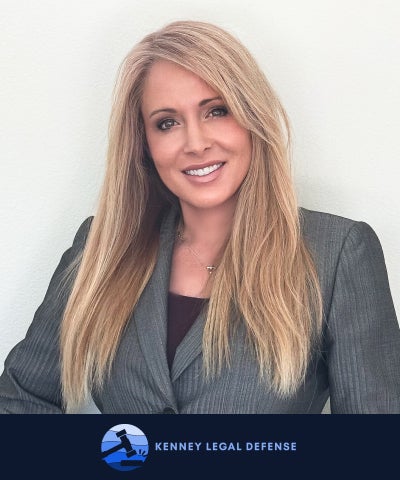
If you need an Orange County federal fraud defense lawyer because you are under investigation or facing federal fraud charges, the government may begin building its case long before an indictment is filed. FBI agents, federal prosecutors, grand jury subpoenas, search warrants, target letters, financial records, emails, text messages, and witness interviews can all become part of a federal fraud investigation.
Orange County federal fraud defense lawyer Karren Kenney represents individuals, business owners, executives, healthcare providers, and other professionals facing complex federal investigations and prosecutions. As a Certified Fraud Examiner (CFE) with more than 30 years of criminal defense experience, she defends cases involving wire fraud, mail fraud, healthcare and hospice fraud, bank fraud, investment and securities fraud, money laundering, conspiracy, tax fraud, and other alleged federal financial crimes.
You do not have to wait until you are indicted to hire a federal criminal defense lawyer. Early representation can be critical when federal agents want to interview you, execute a search warrant, serve a grand jury subpoena, or identify you as a subject or target of an investigation. Kenney Legal Defense represents clients before charges are filed and throughout federal criminal proceedings in Orange County and the Central District of California.
Federal fraud cases are often built for months or even years before an indictment is filed. Prosecutors may rely on financial records, emails, text messages, business records, witness interviews, cooperating witnesses, search warrants, and grand jury subpoenas to develop their case.
Attorney Karren Kenney represents clients during federal investigations as well as after charges have been filed. Early intervention gives the defense an opportunity to understand the government's theory, identify weaknesses in the evidence, preserve favorable evidence, and advise the client before potentially damaging statements are made.
Federal fraud prosecutions frequently turn on whether the government can prove intent to defraud. A financial loss, inaccurate record, billing dispute, failed business transaction, or regulatory problem does not automatically establish criminal fraud. The defense must examine what the client knew, what the client intended, and whether the government's interpretation of the records tells the whole story.
Kenney Legal Defense represents clients facing federal fraud investigations and prosecutions in Orange County and throughout the Central District of California, from the investigative stage through indictment, motions, plea negotiations, and jury trial.

Federal fraud prosecutions can involve individuals, business owners, executives, healthcare providers, investors, and other professionals accused of participating in schemes involving money, property, government programs, or false representations. These cases are frequently investigated by agencies such as the FBI, IRS Criminal Investigation, HHS-OIG, and other federal law enforcement agencies.
Kenney Legal Defense examines the government's evidence to determine whether prosecutors can actually prove a fraudulent scheme, the client's knowing participation, and the required criminal intent. We also examine how evidence was obtained, what witnesses or cooperating individuals have claimed, and whether financial or business records have been interpreted accurately.
Federal fraud cases can involve a wide range of statutes and alleged schemes. Some of the federal fraud charges we defend include:
Wire Fraud – 18 U.S.C. § 1343
Federal prosecutors may charge wire fraud when they allege that electronic communications, internet transactions, emails, telephone communications, or interstate financial transfers were used as part of a scheme to defraud.
Mail Fraud – 18 U.S.C. § 1341
Mail fraud allegations involve the use of the U.S. mail or certain private carriers in furtherance of an alleged fraudulent scheme.
Healthcare Fraud – 18 U.S.C. § 1347
Healthcare fraud investigations may involve Medicare or Medicaid billing, hospice services, medical necessity, kickbacks, patient eligibility, coding practices, or allegations that claims submitted to a federal healthcare program were false.
Bank Fraud – 18 U.S.C. § 1344
Bank fraud cases may involve allegations concerning loan applications, financial statements, business transactions, account activity, or schemes allegedly directed at federally insured financial institutions.
Securities and Investment Fraud
Federal investigations may focus on representations to investors, use of investment funds, securities transactions, business disclosures, or allegations that investors were intentionally misled.
Fraud Conspiracy – 18 U.S.C. § 1349
A person can face a federal conspiracy charge even when prosecutors do not claim that the person personally carried out every part of the alleged fraud scheme. These cases often depend heavily on communications, relationships among alleged participants, and evidence of knowledge and intent.
Federal fraud investigations can also lead to related allegations involving money laundering, tax offenses, identity theft, or other financial crimes. The defense must evaluate each charge separately rather than assuming that suspicious financial activity proves criminal intent
Many federal fraud cases begin long before an arrest or indictment. A person may first learn of an investigation after receiving a grand jury subpoena, being contacted by federal agents, having a business or home searched, or learning that employees, business partners, or associates have been interviewed.
Federal fraud investigations in Orange County may involve the FBI, IRS Criminal Investigation (IRS-CI), HHS-OIG, Homeland Security Investigations (HSI), or other federal agencies working with the U.S. Attorney's Office.
If you are identified as a witness, subject, or target of a federal investigation, what happens before charges are filed can significantly affect the case. Before agreeing to an interview or producing records, it is important to understand why the government is seeking the information and what potential criminal exposure may exist.
Kenney Legal Defense can communicate with federal investigators and prosecutors on your behalf, evaluate subpoenas and search warrants, review the government's allegations, preserve favorable evidence, and begin developing a defense before an indictment is returned.
Do not assume that you need to wait until federal charges are filed to contact a defense attorney. If you have received a target letter or grand jury subpoena, federal agents want to interview you, or your home or business has been searched, early legal representation can be critical.
Federal fraud cases often develop in stages, beginning with an investigation and potentially progressing to indictment, pretrial litigation, plea negotiations, or trial. Understanding where you are in that process is critical because defense opportunities can be different before charges are filed.
Federal agents and prosecutors may obtain financial records, emails, text messages, business records, search warrants, and witness statements before approaching the person under investigation. A grand jury may issue subpoenas and hear evidence while the investigation remains confidential.
If an indictment is returned, the case proceeds in federal court. The defense reviews discovery, analyzes the government's evidence, investigates witnesses and financial records, and determines whether motions should be filed challenging evidence, searches, statements, or other aspects of the prosecution.
Not every federal fraud case ends the same way. Depending on the evidence and the client's circumstances, the defense may seek to prevent charges, challenge particular counts, negotiate a resolution, or prepare the case for trial. Karren Kenney has extensive jury-trial experience and prepares federal cases with the possibility of trial in mind.
Federal fraud cases arising in Orange County are generally prosecuted in the United States District Court for the Central District of California, including the federal courthouse in Santa Ana.
Federal fraud cases can involve thousands of pages of financial records, complex business transactions, electronic communications, cooperating witnesses, and competing interpretations of the same evidence. Defending these cases requires more than simply identifying whether a transaction occurred, the defense must examine what the client knew and whether the government can prove criminal intent.
Attorney Karren Kenney is a Certified Fraud Examiner (CFE) with more than 30 years of criminal defense experience and extensive jury-trial experience. Her fraud-examination training provides an additional perspective when analyzing financial records, tracing transactions, evaluating alleged losses, and challenging the government's interpretation of complex financial evidence.
Kenney Legal Defense represents clients at every stage of a federal fraud matter, including federal investigations, grand jury proceedings, indictments, pretrial litigation, negotiations, and jury trials. The firm represents individuals and businesses in Orange County and throughout the Central District of California, as well as clients facing federal criminal matters nationwide.
If you believe you are under federal investigation, have received a grand jury subpoena or target letter, have been contacted by federal agents, or have already been charged with federal fraud, contact Kenney Legal Defense at 855-505-5588 for a confidential consultation.
What should I do if I am under federal investigation for fraud?
Do not wait for an indictment to speak with a federal criminal defense lawyer. If federal agents have contacted you, served a subpoena, executed a search warrant, or asked to interview you, an attorney can evaluate your potential exposure and communicate with investigators and prosecutors on your behalf.
Should I talk to FBI agents if I have not been charged with a crime?
You should consider speaking with an attorney before agreeing to an interview. Statements made during a federal investigation can become evidence later, even when the person has not been arrested or charged.
What is the difference between a witness, subject, and target in a federal investigation?
A witness generally has information relevant to an investigation. A subject is someone whose conduct falls within the scope of the investigation. A target is someone prosecutors believe there is substantial evidence linking to a crime and who may be prosecuted. Your status can change as an investigation develops.
What are common federal fraud charges?
Federal fraud prosecutions may involve wire fraud, mail fraud, bank fraud, healthcare fraud, securities or investment fraud, tax fraud, conspiracy, and related money-laundering offenses. The specific charges depend on the alleged conduct and evidence.
What does the government have to prove in a federal fraud case?
The elements depend on the statute charged, but federal fraud prosecutions generally require proof of a fraudulent scheme and the defendant's knowing or intentional participation. Intent is often one of the most important disputed issues in a fraud case.
Can I be charged with conspiracy even if I did not personally commit the fraud?
Potentially. Federal prosecutors can pursue conspiracy charges based on an alleged agreement to participate in unlawful conduct. The defense may dispute whether an agreement existed, whether the defendant knowingly joined it, or whether the government's evidence proves criminal intent.
What happens if I receive a federal grand jury subpoena?
A grand jury subpoena may require testimony or production of documents. It should not be ignored. Before responding, an attorney can evaluate the subpoena, determine potential criminal exposure, and advise you concerning your rights and obligations.
What should I do if federal agents execute a search warrant at my home or business?
Do not interfere with the search, but you are not required to explain the evidence or answer investigative questions simply because agents have a warrant. Contact a federal criminal defense attorney as soon as possible so counsel can evaluate the warrant and begin addressing the investigation.
Where are federal fraud cases from Orange County prosecuted?
Federal criminal cases arising in Orange County are generally prosecuted in the U.S. District Court for the Central District of California. The Ronald Reagan Federal Building and U.S. Courthouse is located in Santa Ana.
Why does being a Certified Fraud Examiner matter in a federal fraud case?
Federal fraud cases frequently involve financial records, transactions, alleged losses, business practices, and competing interpretations of financial evidence. Karren Kenney's Certified Fraud Examiner (CFE) credential provides additional training relevant to analyzing fraud allegations and complex financial evidence.
Can a federal fraud lawyer help before charges are filed?
Yes. Pre-indictment representation can be particularly important. Counsel may communicate with prosecutors or investigators, evaluate the government's theory, respond to subpoenas, preserve evidence, advise concerning interviews, and begin developing a defense before charging decisions are made.
How do I contact an Orange County federal fraud defense lawyer?
Kenney Legal Defense represents clients facing federal fraud investigations and charges in Orange County and throughout the Central District of California. Call 855-505-5588 for a confidential consultation.
If you are under federal investigation for fraud or have already been charged, early legal representation can be critical. Kenney Legal Defense represents individuals and businesses facing federal fraud investigations, grand jury proceedings, indictments, and prosecutions in Orange County and throughout the Central District of California.
Contact Kenney Legal Defense for a confidential consultation with federal criminal defense attorney and Certified Fraud Examiner Karren Kenney. Call 855-505-5588 or contact us today.


© 2026 Kenney Legal Defense Corporation, dba Kenney Legal Federal Criminal Defense Lawyers. All rights reserved.
Se habla español – Spanish-speaking staff available. Call 855-505-5588.
Disclaimer: The information on this website is for general informational purposes only and is not legal advice. Viewing this website or contacting Kenney Legal Defense does not create an attorney-client relationship. Please do not send confidential information until an attorney-client relationship has been established. Attorney Advertising. Prior results do not guarantee a similar outcome.